Rising KSEB electricity tariffs and growing power dependency are prompting Kerala households and businesses to ask an important question: Is solar energy a smarter alternative to traditional grid power?
With increasing electricity demand, fluctuating tariff revisions, and new renewable energy policies, consumers across Kerala are reassessing how they use electricity. Supported by abundant sunlight and government-backed subsidy programs, solar energy has emerged as a reliable and cost-effective alternative to conventional KSEB power.
Solar energy providers such as SolarTech Renewable Energy Pvt Ltd are helping homeowners and businesses transition toward cleaner energy while still remaining connected to the KSEB grid.
KSEB Electricity vs Solar Energy: What’s the Difference?
KSEB electricity is generated and distributed through a centralized grid system, making consumers fully dependent on the state-controlled power supply. Tariffs are revised periodically, leaving users with limited control over long-term electricity costs.
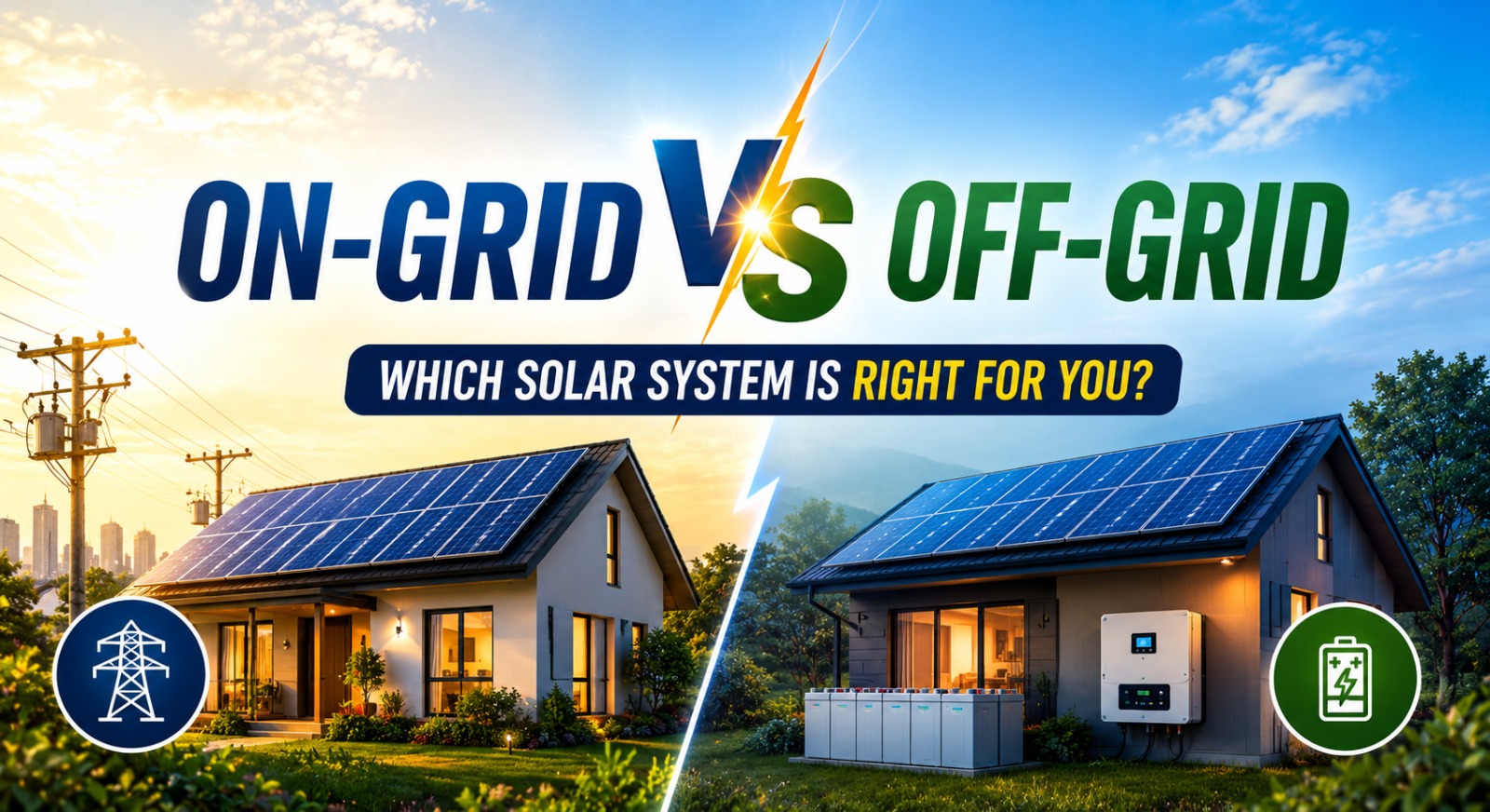
Solar energy, on the other hand, enables consumers to generate their own electricity using rooftop solar panels. While most systems remain connected to the KSEB grid, solar significantly reduces reliance on external power sources.
Key Differences at a Glance
KSEB electricity depends on state-regulated tariffs
- Solar energy offers predictable long-term costs
- Grid power is vulnerable to outages and disruptions
- Solar systems provide partial energy independence
- Solar power supports sustainability and carbon reduction goals
Cost Comparison: KSEB Electricity vs Solar Power in Kerala
KSEB follows a slab-based telescopic tariff system, meaning electricity costs increase as consumption rises. For many residential and commercial users, this results in steadily increasing monthly bills.
Solar energy requires an initial investment for installation, but operating costs remain extremely low for 25–30 years. With an on-grid solar system in Kerala, excess daytime electricity is exported to the KSEB grid and during night when there is no solar, energy is imported from the grid. Consumers have to only pay for the net energy consumed, that is export minus import.
Over time, solar delivers substantial savings—especially for high-consumption households and businesses. Companies like SolarTech Renewable Energy Pvt Ltd assist customers in calculating savings, return on investment, and payback periods before installation.
Why Are More Kerala Consumers Switching to Solar Now?
Several factors are accelerating solar adoption across the state:
- Rising KSEB electricity tariffs
- Greater awareness of renewable energy benefits
- MNRE subsidies for rooftop solar systems
- Improved solar panel efficiency and lifespan
- Supportive net metering policies in Kerala
- Low interest (6%) for solar loan
Despite seasonal monsoons, Kerala receives sufficient annual sunlight. With professional system design by the best solar company in Kerala, lower monsoon generation is balanced by higher summer output.
Reliability: Is Solar Energy Better Than KSEB Power?
KSEB electricity generally provides stable power, but outages can occur during heavy rainfall, storms, or maintenance periods.
Grid-connected solar systems combine the best of both worlds:
- Solar panels supply electricity during daylight hours
- The system automatically draws power from KSEB when needed
- Excess solar energy is exported to the grid
SolarTech designs systems based on roof size, energy consumption, and backup requirements, ensuring reliable year-round performance.
When Does Switching to Solar Make Financial Sense?
Solar panel installation in Kerala is most beneficial when:
- Monthly electricity bills are consistently high
- Adequate, unshaded rooftop space is available
- The property will be used long-term
- Businesses seek predictable operating expenses
Most residential solar systems achieve payback within 3–4 years, while commercial installations often recover costs faster due to higher consumption and tariff slabs.
How Consumer Experience Changes After Installing Solar
After switching to solar energy, Kerala consumers typically experience:
- Significantly lower electricity bills
- Reduced exposure to future tariff hikes
- Increased awareness of energy consumption
- Improved sustainability credentials
- Long-term financial savings
KSEB power continues to play a role, acting as a backup and balancing source rather than the primary electricity supply.
Conclusion
The transition from KSEB electricity to solar energy offers clear advantages—lower costs, sustainability, and protection from future tariff increases. By combining solar power with grid connectivity, Kerala consumers can meet their energy needs efficiently and reliably. SolarTech Renewable Energy Pvt Ltd, regarded as one of the best solar companies in Kerala, provides end-to-end support to help homeowners and businesses adopt solar solutions while maintaining access to KSEB’s dependable grid. Kerala’s energy landscape is evolving—and solar energy is becoming a central part of its future.
FAQs
1. Is solar energy cheaper than KSEB electricity in Kerala?
Yes. Solar energy offers fixed power costs for up to 30 years, while KSEB tariffs may increase over time. MNRE subsidies and net metering make solar more economical in the long run.
2. How does an on-grid solar system work with KSEB?
An on-grid system connects to the KSEB grid. Solar panels supply daytime power, excess energy is exported, and KSEB electricity is used at night. Net metering adjusts the final bill.
3. What subsidies are available for solar panel installation in Kerala?
MNRE provides subsidies for residential rooftop solar systems, reducing initial installation costs and improving affordability.
4. Will KSEB electricity still be required after installing solar?
Yes. Grid-connected solar systems rely on KSEB power during night time, cloudy days, and peak demand periods.
5. How reliable is solar energy during Kerala’s monsoon season?
Solar panels generate electricity even in cloudy weather. Annual production remains reliable as higher summer output compensates for monsoon dips.
6. Is solar panel installation suitable for apartments and businesses in Kerala?
Yes. Solar systems can be designed for homes, apartments (common areas), and commercial buildings, making them versatile for different property types.